How Canine Therapists
Transform Child Development
Specialized therapy dogs helping children overcome developmental challenges through connection, confidence, and courage.
Our approach is simple—and powerful:
Raise & Train Specialized Therapy Dogs
We carefully select and train dogs with the temperament, intelligence, and emotional awareness needed to support children with autism and developmental challenges.
Each dog is prepared to work in both clinical environments and everyday home life—helping children build communication, sensory regulation, and emotional resilience.
PLACE DOGS WHERE THEY’RE NEEDED MOST
Our canine therapists are thoughtfully placed either with licensed clinicians or directly with families—depending on what will best support each child.
In therapy settings, dogs enhance structured sessions. At home, they become part of daily routines—where simple moments like feeding, practicing commands, or companionship create meaningful progress.
We collaborate with each child’s therapist to ensure every placement is intentional, supportive, and fully integrated into their care.
Raise & Train Specialized Therapy Dogs
We carefully select and train dogs with the temperament, intelligence, and emotional awareness needed to work in clinical therapy environments.
These dogs undergo specialized development to help children build communication, sensory regulation, and emotional resilience.
Children We Serve
Our therapy dogs support clinicians working with children facing a wide range of developmental challenges.
Autism spectrum disorder
Down syndrome
Cerebral palsy
Behavioral & emotional challenges
Sensory processing difficulties
Speech & communication delays
A Different Approach
Why Canine Therapy Works
Children often feel safer, calmer, and more motivated when interacting with animals. Therapy dogs can help unlock progress in ways traditional therapy sometimes cannot.
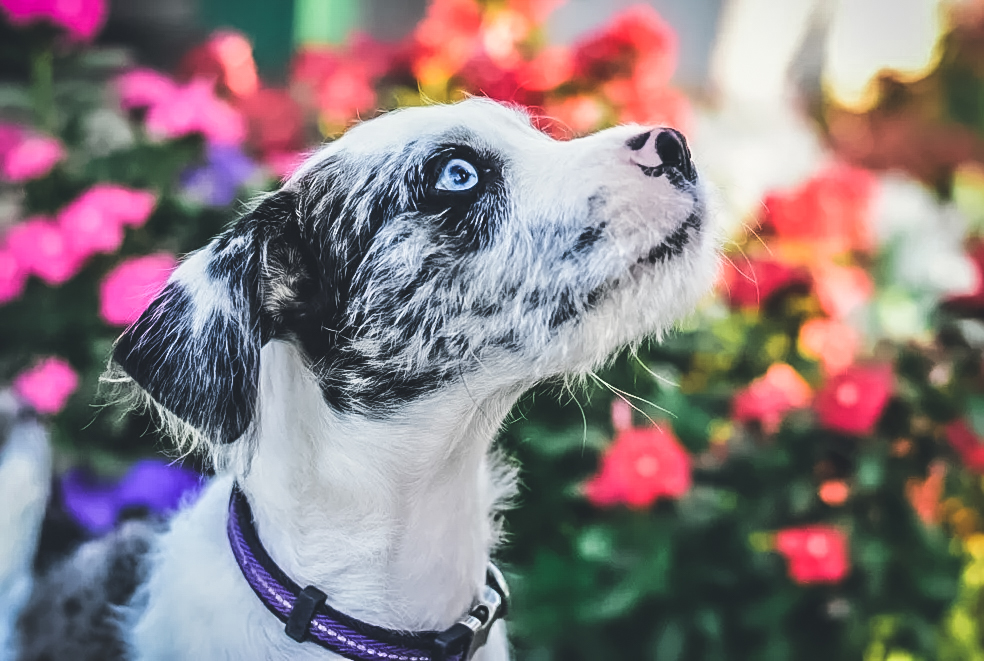
From Puppy To
Canine Therapist
Children often feel safer, calmer, and more motivated when interacting with animals. Therapy dogs can help unlock progress in ways traditional therapy sometimes cannot.
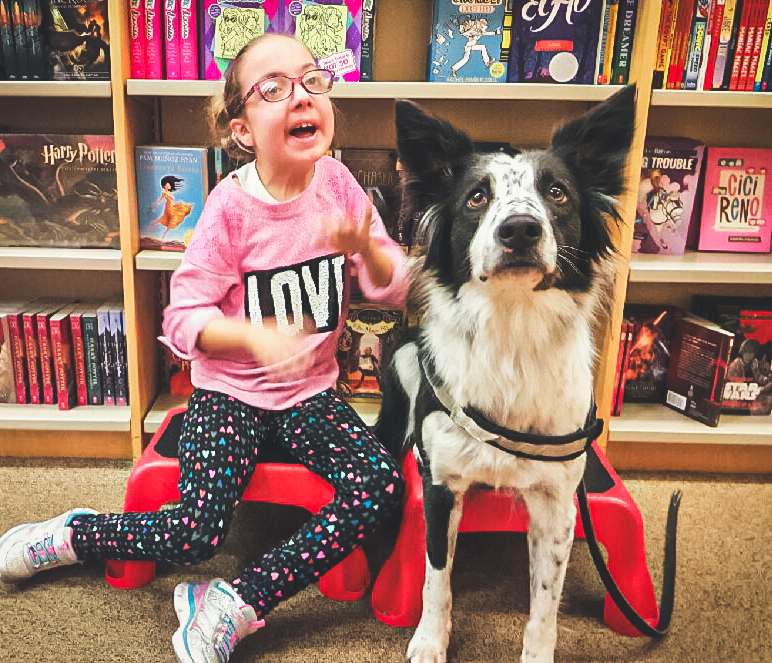
Specialized Conditioning
Dogs learn specific behaviors that support therapeutic exercises.
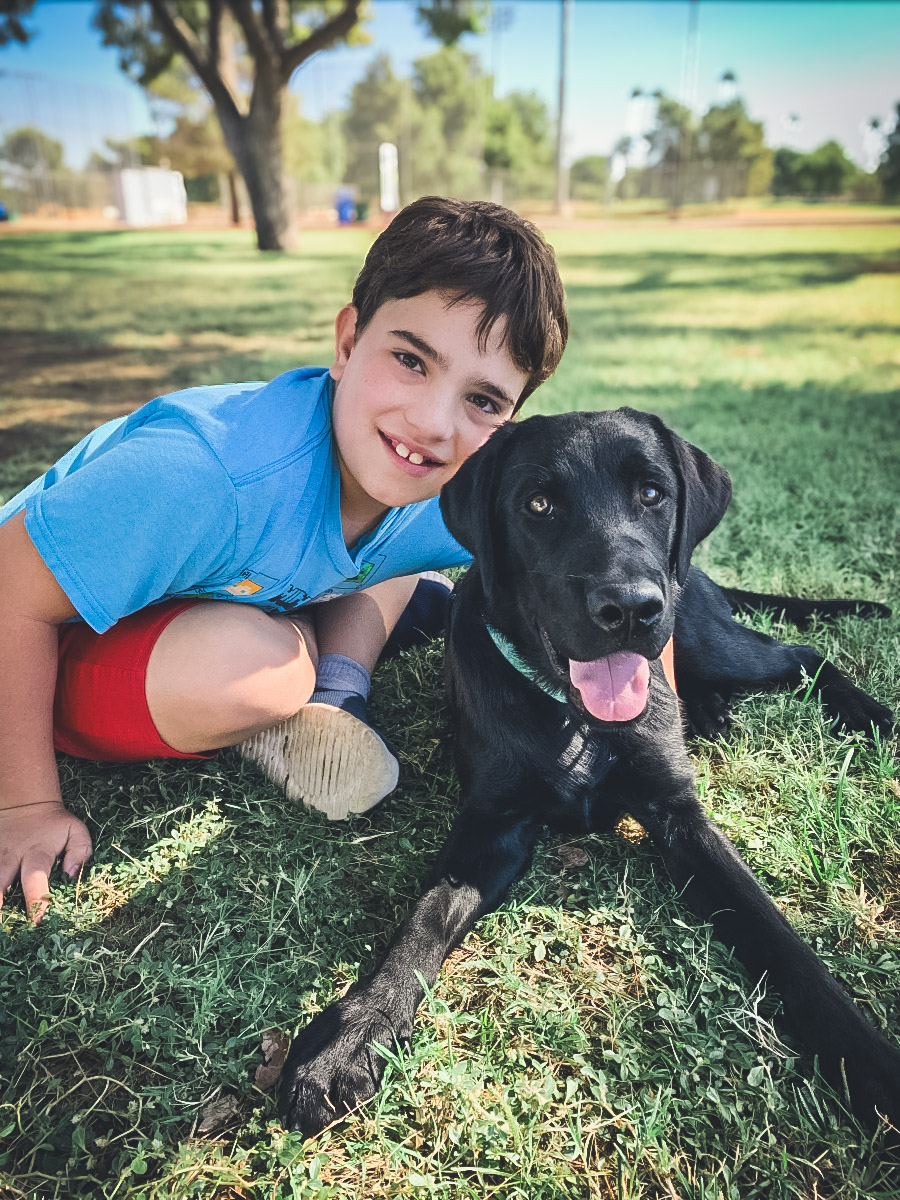
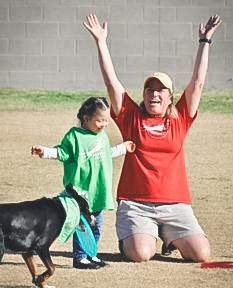
Specialized Conditioning
Dogs learn specific behaviors that support therapeutic exercises.